Understanding the difference between cinematographer vs videographer china is essential for international producers planning shoots across the country. Many projects fail to achieve their creative or technical goals simply because the wrong role was hired for the job. China’s production environment adds additional layers, including language barriers, permits, location logistics, and local workflow expectations.
Whether you are producing a branded campaign, corporate documentary, broadcast segment, or commercial project, selecting between a cinematographer and a videographer directly affects crew structure, equipment choices, budget, and creative outcomes.
Shoot In China is a Shanghai-based bilingual production company operating since 2012, supporting international brands, agencies, and broadcasters with cameraman hire, cinematographers and DOPs, film equipment rental, fixer services, and nationwide filming support. This guide explains how to choose the right role and structure your project for success in China.
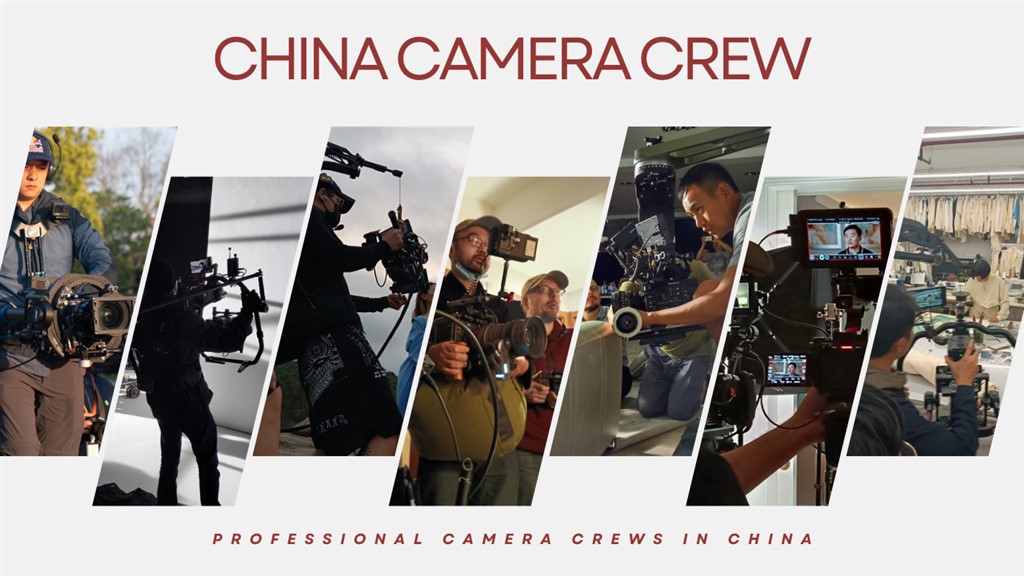
Why Choose cinematographer vs videographer china Carefully
Many international clients assume these roles are interchangeable. In practice, the difference significantly impacts production workflow.
Creative Responsibility
A cinematographer, often referred to as a Director of Photography (DOP), typically designs the visual style. They shape lighting, camera movement, and overall image language.
A videographer generally operates a camera with a focus on efficiency and documentation. This role suits straightforward shoots or smaller productions.
Choosing incorrectly can lead to mismatched expectations between director, agency, and local crew.
Budget and Team Structure
Hiring a cinematographer usually involves a broader team. This may include gaffer, assistant camera, or grip support.
A videographer may operate alone or with minimal assistance. This approach reduces cost but limits visual complexity.
Production Environment in China
Local filming often requires adaptability. Urban density, access limitations, and communication challenges make role clarity important.
Understanding cinematographer vs videographer china helps align resources with production goals.
Our cinematographer vs videographer china Services
We help clients determine the correct crew structure before production begins.
Services include:
- Cinematographer (DOP) hire for commercial or cinematic projects
- Videographer hire for corporate and documentary filming
- Camera operator selection based on project scope
- Technical consultation for equipment packages
- Lighting and grip crew coordination
- Fixer and bilingual production support
- Location research and permits
- Equipment rental packages
- Remote pre-production coordination
Many projects combine roles. For example, a cinematographer may lead creative direction while additional videographers capture supporting footage.
Early planning ensures efficient team composition.
Equipment, Crew & Workflow for cinematographer vs videographer china
Equipment choices often reflect the difference between roles.
Cinematographer-Led Productions
Typical setups include:
- Cinema cameras such as ARRI or RED systems
- Dedicated lighting setups
- Multiple lenses for controlled visual style
- Grip equipment for precise camera movement
These projects prioritize visual consistency and cinematic quality.
Videographer-Led Productions
Common setups include:
- Sony FX3 or FX6 kits
- Lightweight stabilization systems
- Portable audio solutions
- Minimal lighting packages
This workflow supports fast-moving documentary or corporate filming.
In China, equipment logistics matter. Some locations restrict large rigs. Smaller setups can improve mobility.
We help select the right workflow based on location constraints and storytelling needs.
Working With International Clients on cinematographer vs videographer china Projects
International producers often work remotely during pre-production. Clear communication reduces misunderstandings about crew roles.
Our bilingual teams assist with:
- Translating creative briefs into practical execution plans
- Matching crew skillsets with production goals
- Coordinating local suppliers
- Managing scheduling across multiple cities
- Supporting remote monitoring and approvals
Many overseas teams initially request a videographer but later realize they need a cinematographer for visual consistency.
Clarifying expectations early avoids costly adjustments during production.
Locations & Nationwide Coverage for cinematographer vs videographer china
China’s filming landscape varies significantly by region.
Key production hubs include:
- Shanghai — commercial and corporate filming hub
- Beijing — cultural and broadcast projects
- Shenzhen — technology-focused productions
- Guangzhou — manufacturing and trade environments
- Chengdu — lifestyle and cultural storytelling
- Hong Kong — international productions
- Hangzhou — technology and natural scenery
- Suzhou — industrial and historical locations
We also coordinate crews in secondary cities where local expertise becomes even more valuable.
Nationwide support ensures consistent quality across locations.
Production Process (Step-by-Step)
Understanding cinematographer vs videographer china decisions becomes easier with a structured process.
1. Project Assessment
Review creative goals, budget range, and technical requirements.
2. Role Selection
Determine whether a cinematographer, videographer, or hybrid crew best fits the project.
3. Technical Planning
Define camera systems, lighting approach, and crew size.
4. Pre-Production
Arrange permits, logistics, travel planning, and location research.
5. Production Execution
Provide local coordination to ensure smooth filming days.
6. Data Handling and Wrap
Secure footage backups and prepare for post-production workflows.
This structured approach minimizes delays and helps maintain creative alignment.
Practical Differences Between Cinematographer vs Videographer China
Understanding these distinctions helps avoid common mistakes.
A cinematographer:
- Focuses on visual storytelling and lighting design
- Collaborates closely with directors and agencies
- Often leads technical crew decisions
A videographer:
- Operates efficiently with smaller setups
- Captures interviews, events, or documentary content
- Works well for fast turnaround projects
Neither role is inherently better. The right choice depends on project goals.
Get Started With cinematographer vs videographer china
Selecting the right camera professional shapes the entire production process. With proper planning, international teams can balance budget, creativity, and logistical efficiency.
To begin, share:
- Project brief or concept
- Shooting style and references
- Locations and timeline
- Equipment or crew requirements
Professional guidance on cinematographer vs videographer china helps ensure that your project uses the right expertise from the start, allowing you to focus on storytelling while experienced local teams manage production realities across China.